

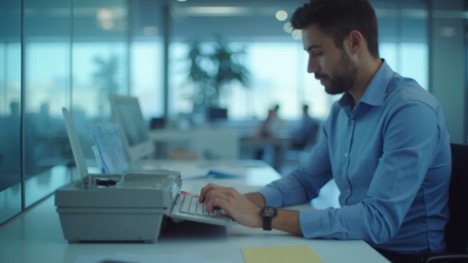

Implementing a Secure Fax Service: Key Considerations and Solutions
Healthcare providers handle large amounts of private patient information every day. Medical records, lab results, prescriptions, insurance documents, and referrals all contain sensitive details that must remain protected. Because of this, healthcare organizations must follow strict rules under the Health Insurance Portability and Accountability Act (HIPAA). One of the tools many organizations still rely on for sending documents is fax. Today, using a secure fax system or service such as ETHERFAX.net is one of the most reliable ways to share patient information while staying compliant with privacy rules.
Traditional fax machines are slowly being replaced by digital and cloud-based systems. These modern tools make communication faster, easier to manage, and more secure. They also help healthcare providers avoid risks such as lost paperwork, unauthorized access, or accidental data exposure. Understanding how secure fax solutions work and why they are important can help medical offices, clinics, and hospitals protect patient data while improving everyday workflows.
Understanding HIPAA Compliance in Fax Communication
HIPAA was created to protect patient health information. This includes any data that can identify a patient, such as medical records, personal details, or treatment history. When this information is shared through fax, it must be handled in a way that prevents unauthorized access.
Why HIPAA Compliance Matters
Healthcare organizations must follow HIPAA rules whenever they send or receive patient information. If a provider fails to protect this data, it can lead to serious problems. These may include data breaches, legal penalties, and loss of patient trust.
Using a secure fax system helps prevent these risks. Secure systems use encryption, protected servers, and strict access controls to make sure that only authorized staff can view documents. This reduces the chance of sensitive information falling into the wrong hands.
Compliance is also important for building patient confidence. Patients want to know their personal health information is handled with care. When a clinic uses secure communication tools, it shows that the organization takes privacy seriously.
Key Security Features of a Secure Fax System
A reliable secure fax solution should include several important safety features. These features protect documents while they are being sent and after they are received.
Encryption during transmission is one of the most important protections. This means that documents are scrambled into a secure format while being sent. Only the intended receiver can unlock and read the information.
Secure storage is another critical feature. Instead of sitting on a physical machine where anyone could see them, digital fax documents are stored safely on protected servers.
User access controls allow administrators to decide who can send, receive, or view faxes. This prevents unauthorized employees from accessing private patient information.
Audit logs also play a major role in compliance. These logs track who accessed documents and when they were sent or received. If an issue occurs, organizations can review these logs to understand what happened.
Together, these features help healthcare providers follow HIPAA requirements while keeping communication efficient and organized.
Benefits of Cloud and Online Fax Solutions for Healthcare
Modern healthcare organizations are moving away from traditional fax machines and adopting cloud-based systems. These solutions provide better security, improved efficiency, and easier access to important documents.
Improved Efficiency and Paperless Workflows
Online fax services allow healthcare staff to send and receive documents from computers, tablets, or smartphones. This removes the need for printing, scanning, or handling stacks of paper.
With cloud fax systems, incoming documents are delivered directly to a secure digital inbox. Staff can quickly review them, attach them to patient records, or forward them to another department.
This digital approach saves time and reduces the chance of losing important documents. It also helps offices stay organized, since files can be stored and searched electronically.
Integration with electronic health record (EHR) systems also improves workflow. Instead of manually uploading documents, staff can link faxes directly to patient records. This helps doctors and nurses access the information they need faster.
Better Security and Scalability
Cloud fax services also offer stronger security compared to traditional fax machines. Documents are protected through encrypted connections and stored in secure environments that meet healthcare compliance standards.
Another advantage is scalability. As a healthcare organization grows, its communication needs also increase. Cloud systems allow providers to easily add more users, departments, or locations without needing new hardware.
Healthcare teams can also send faxes remotely. This is especially helpful for doctors who work across multiple clinics or for staff who need to access documents while traveling or working from home.
Reliable customer support is another benefit. Many cloud fax providers offer technical assistance to help organizations maintain smooth communication systems.
Conclusion
Healthcare organizations must handle patient information with great care. Protecting private data is not only required by law but also essential for maintaining trust between providers and patients. Using a secure fax system allows healthcare professionals to share sensitive documents while meeting HIPAA compliance standards.
Modern cloud fax solutions provide strong security, easy document management, and faster communication. With features like encryption, controlled access, and digital storage, these tools help prevent data breaches and improve daily workflows.
As healthcare continues to adopt digital technology, secure fax services will remain an important part of communication. By choosing the right solution, medical providers can protect patient information, simplify operations, and deliver better care.