

Windows Operating Systems Support Seamless Computing Across Devices

The evolution of Windows Operating Systems (Windows Betriebssysteme) has redefined how individuals and enterprises approach digital workflows. With features tailored for robustness, efficiency, and cross-platform integration, the Windows environment facilitates a seamless computing experience across devices, delivering unmatched productivity and usability.

Whether you’re an entrepreneur managing business operations or a professional fine-tuning your personal workflows, here’s how Windows operating systems can enhance your computing experience.

Unified Ecosystem for Digital Consistency

Windows operating systems provide a unified ecosystem that ensures a consistent user experience across devices such as desktops, laptops, tablets, and smartphones. This coherence eliminates the awkward transitions between devices, keeping your workflows smooth and uninterrupted.

Features like OneDrive integration take device synchronization a step further by allowing users to seamlessly access files and applications anytime, anywhere. Need to pick up work left on your desktop? Simply log in to your account on another Windows device, and you’re back on track in moments.

Enhanced Productivity with Intuitive Interfaces

The hallmark of the Windows experience is its commitment to productivity. Features like Snap Layouts on Windows 11 enable users to juggle multiple apps and tasks with ease. Whether you’re managing complex data reports or conducting virtual meetings, tools like virtual desktops keep your workspaces organized without needing additional screens.

For those wondering, where can I buy a genuine Windows 11 Pro key in Germany, choosing this operating system ensures you’re equipped with tools that streamline multitasking and improve efficiency.

Centralized IT Controls and Simplified Management

Windows operating systems excel in providing centralized IT management for businesses. Enterprises can configure and monitor devices from a single dashboard, making it easier to oversee operations across large teams. The seamless management includes integration with Microsoft services like Azure Active Directory, which reduces setup complexity and helps secure access for employees.

Businesses exploring where to get the Windows Server 2025 license key online for the best price will find the benefits of centralized controls incredibly valuable for improving their IT infrastructure performance.

Cross-Platform Security for Safe Digital Practices

Across devices, Windows prioritizes your security. Tools like Microsoft Defender come built-in, providing advanced protection against malware, phishing attempts, and other threats. For confidential data, BitLocker encryption ensures your files remain inaccessible to unauthorized users.

The zero-trust framework implemented in Windows enterprise solutions serves as a robust layer of security, particularly for remote work setups. If security is a prime concern, finding tools like Windows Server keys and an answer to where to safely download Microsoft Visio ensures you get secure and official solutions.

Flexible System Updates to Future-Proof Workflows

Windows operating systems emphasize staying ahead of technological advancements. Platform updates roll out regularly, ensuring compatibility with new tools and reducing concerns over obsolescence. For enterprises, this creates peace of mind that their digital ecosystems will continue supporting growth strategies well into the future.

For professionals and IT teams asking, where can I officially download Microsoft Visio, leveraging these updates ensures the latest features are easily accessible.

Wide Compatibility Enhances Device Connectivity

Windows supports a wide range of peripherals and software, making it adaptable to virtually every business or professional need. Whether connecting to projectors, high-speed scanners, gaming consoles, or external hard drives, the platform has built-in tools to ensure compatibility for optimal device integration.

Additionally, solutions like advanced virtualization enhance compatibility between older apps and new systems even during upgrades.

Meet AML Rules Faster with Identity Verification

Compliance with Anti-Money Laundering (AML) regulations isn’t just a legal requirement; it’s a non-negotiable aspect of maintaining transparency and trust within financial systems. Yet, for many companies, ensuring compliance can feel like a time-consuming and resource-intensive challenge. This is where identity verification tools step in, offering a powerful solution to help businesses meet AML rules quickly and efficiently.

Here’s how identity verification can help organizations overcome AML compliance hurdles and streamline their processes.

Simplifying Compliance Processes

One of the primary benefits of identity verification is that it simplifies complex compliance requirements. By automating the user verification process, businesses can ensure they are adhering to AML rules without stretching their internal resources thin. Manual checks, which are prone to errors and inconsistencies, can be replaced with streamlined digital methods that verify customer identities and flag potential risks almost instantly.

Whether it’s a customer opening a new account or a financial transaction requiring validation, identity verification ensures you meet every regulatory checkpoint efficiently. This not only accelerates the compliance process but also reduces the risk of missing critical elements within AML protocols.

Enhancing Accuracy and Reducing Human Error

Traditional AML compliance procedures often involve lengthy paperwork, manual reviews, and reliance on multiple teams. This increases the potential for human error, such as missed red flags or incomplete records. Identity verification technology, on the other hand, minimizes these risks by automating key processes.

Advanced digital tools can validate customer credentials with precision, ensuring that no critical detail goes unnoticed. This heightened accuracy not only improves compliance rates but also bolsters the organization’s reputation for reliability and professionalism.

Speeding Up Client Onboarding

Time is often critical when onboarding new clients, especially in highly competitive industries. Waiting days or weeks for manual compliance checks can frustrate customers and result in lost business opportunities. Identity verification solutions offer real-time processing, allowing businesses to onboard clients faster while maintaining compliance.

This quick turnaround benefits both businesses and customers. Companies achieve operational efficiency, while customers enjoy a frictionless onboarding experience, fostering a sense of trust and satisfaction.

Mitigating Financial Risks

Non-compliance with AML regulations can lead to hefty fines, regulatory scrutiny, and reputational damage. Identity verification tools act as a safeguard by identifying high-risk profiles and potential cases of fraud before they escalate.

Advanced technology like pattern recognition and risk scoring ensures that risky transactions or individuals are flagged for further investigation. This proactive approach not only reduces financial risks but also protects businesses from being inadvertently implicated in money laundering or other illicit activities.

Scaling Compliance for Growth

As organizations expand and onboard more clients globally, their compliance needs grow in complexity. Identity verification makes scalability more manageable by standardizing the process, irrespective of the size or location of the client base.

Whether your business operates locally or across multiple jurisdictions, identity verification tools ensure that AML compliance is consistent and scalable. This flexibility supports growth without compromising the integrity of compliance systems.

Building Customer Trust

Beyond regulatory compliance, identity verification enhances trust between businesses and their customers. Customers are increasingly aware of the risks of identity theft and financial fraud. By investing in robust identity verification measures, organizations signal their commitment to customer safety and data protection.

When customers know their information is being handled securely and transparently, they are more likely to trust the business, paving the way for strong, long-lasting relationships.

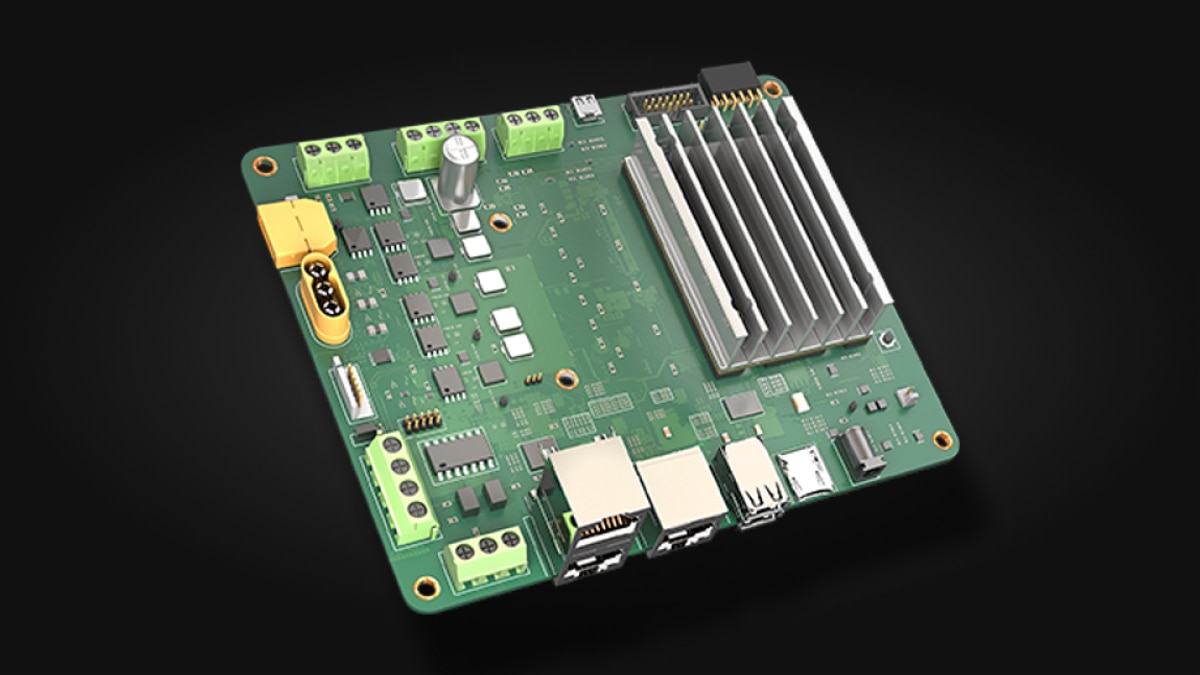
Boost deployment speed with flexible computer on module hardware
What's a SOM

Efficient and timely deployment in any technical environment is crucial for ensuring streamlined workflows and meeting deadlines. Flexible computer on module hardware has emerged as a powerful solution to overcome deployment bottlenecks in various industries. This approach allows for scalability, customization, and adaptability, all of which contribute to speeding up the deployment process while aligning with evolving technological demands. 

This blog explores how flexible computer on module hardware can revolutionize deployment speed and elevate operational efficiency. 

Understanding Computer on Module Hardware 

A computer on module, sometimes referred to as COM, is a compact and modular single-board computer. Unlike traditional systems, it is designed to integrate effortlessly into various hardware systems by functioning as a building block. COM technology is popular for its flexibility and scalability, making it easier for developers and engineers to deploy projects faster without reinventing the wheel for every application. 

Flexible computer on module hardware takes this concept further by allowing more customizable integrations. These adaptable systems can address the diverse requirements of industries ranging from IoT to manufacturing to healthcare. This innovation ensures seamless system deployments while accommodating specific operational needs. 

Benefits of Flexible Computer on Module Hardware 

1. Faster Time to Market 

Flexible computer on module hardware accelerates the development process. By utilizing pre-designed modules, companies eliminate the need to design core computing functions from scratch. This drastically reduces the overall time required for manufacturing and integration. 

With the rising complexities of modern applications, having pre-tested components streamlines product deployment, ensuring that organizations meet market demands swiftly. 

2. Constant Adaptability 

One primary advantage of flexible COM solutions is their adaptability. Dynamic environments require modular designs that can be customized or expanded with minimal effort. COMs facilitate rapid hardware adaptations without delays caused by traditional redesigns. 

For example, varying connectivity requirements, such as Wi-Fi capabilities or additional sensors, can be seamlessly incorporated via flexible hardware modules. This adaptability ensures that the systems remain relevant in varying scenarios. 

3. Efficient Use of Resources 

Traditional hardware often results in wasted resources, especially when features remain unused. Flexible computer on module hardware ensures that you implement only what’s necessary for your application, leading to more efficient resource utilization. 

This specificity prevents unnecessary expenses and ensures that investments are directed toward truly impactful elements. Developers and engineers can dedicate their time to refining unique features instead of grappling with generic system architecture. 

4. Scalability for Future Growth 

The modular nature of computer on module hardware inherently supports scalability. Whether you’re deploying a product for a small-scale operation or planning a system for global reach, modular components allow you to easily scale up or down depending on operational requirements. 

This scalability is particularly advantageous for industries like IoT or data analysis, where growth is tied to the ability to integrate more robust systems down the line efficiently. 

5. Simplified Maintenance and Upgrades 

System maintenance and upgrades often contribute to delays and prolonged downtime. Flexible computer on module hardware minimizes such interruptions by enabling seamless replacements and updates. Individual modules can be swapped or upgraded without overhauling the entire system. 

This advantage ensures consistent operational continuity, reducing periods of inactivity and losses associated with hardware maintenance. 

6. Enhanced Customization 

Every deployment scenario carries unique requirements, and standard systems may often fall short. Flexible single board computer ai technology ensures enhanced customization, allowing developers to tailor solutions for specific needs. 

From specialized interfaces to industry-specific features, modular components meet operational demands without requiring extensive engineering. This targeted customization is highly beneficial for niche industries with unique applications.