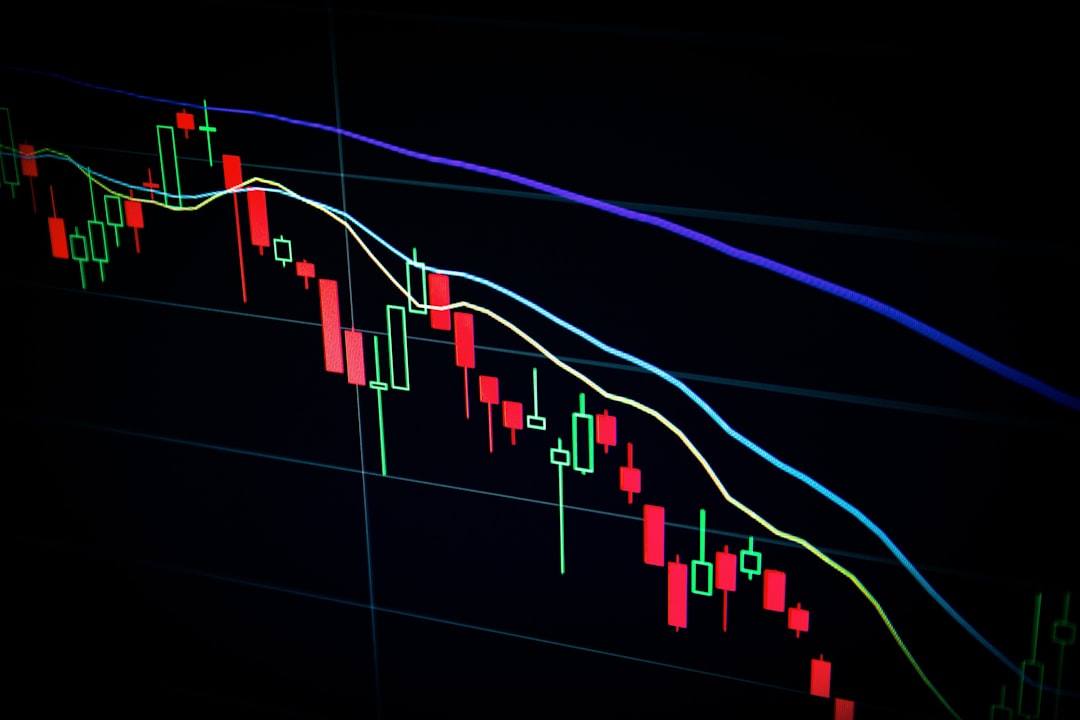
Why Platform Performance Matters as Much as Market Strategy

A powerful strategy marks the key to successful trading. Traders spend a lot of their time studying charts, analyzing market trends, keeping tabs on economic events, and developing entry/exit strategies. But, no matter how good a strategy you have, it can fail if you trade on a low-performing platform. That’s one of the reasons why many traders analyze the top trading platforms they are considering even before examining the features and take a keen interest in the performance, reliability, and quality of execution they get.

Today’s swift financial world has made platform performance a vital part that contributes to trading results. Traders’ decisions can be made according to a strategy, but platform performance may directly influence the effectiveness of the decisions made.

Understanding Platform Performance

Platform performance is a measure of how fast, stable, responsive, and reliable a trading system is. It involves a number of technical aspects such as:

  1. Order execution speed
  2. System uptime
  3. Market real-time data delivery support.
  4. Chart responsiveness
  5. Mobile and desktop synchronization
  6. Trade confirmation accuracy
  7. Platform security

These factors influence a trader’s capacity to adapt to changing market circumstances. The ideas mapped out in a good strategy may potentially provide profitable opportunities, but if the execution is poor, then the gains could come off significantly lower.

Why Execution Speed Matters

Financial markets can move rapidly from one minute to the next. On some big economic announcements, earnings releases, geopolitical moments, or particularly when there’s lots of volatility, price movements can often come and go quickly. 

Even small differences in execution speed can impact profitability, particularly for:

  1. Day traders
  2. Scalpers
  3. High-frequency traders
  4. Active forex participants
  5. Short-term equity traders

In times of market volatility, execution efficiency rises in importance.

The Hidden Cost of Slippage

Slippage is an important feature of platforms that you probably haven’t taken into account. Slippage is when an order is filled for a price that is not the one the trader wanted. Slippage occurs in active markets and cannot be prevented, but too much slippage might be caused by platform problems or a lack of liquidity.

Escalating trading mistakes may impact the risk-reward ratio and interfere with well-considered trading strategies. One of the significant concerns that professional traders have when assessing each platform’s performance is whether platforms can execute trades consistently as they advertised.

Stability During Market Volatility

The opportunities and the risks come with market volatility. Sadly, it’s a volatile time when some platforms have trouble, too. Traders may find it difficult to manage their positions due to disruptions in the system, slow pricing, stalled charts, or connection problems.

One feature that separates a professional or a good trading platform from the basic trading systems is the ability of the platform to keep a steady performance in times of heavy trading. Traders can trust in the reliability of the infrastructure, even during times of fast-paced market dynamics.

Why Data Accuracy Is Critical

All trading decisions are based on data.

modern platforms deliver access to:

  1. Price feeds
  2. Technical indicators
  3. Economic calendars
  4. Market depth information
  5. News updates

This can result in misleading or late data, which may influence the traders’ decisions.

With financial markets becoming ever more data-driven, it is no longer enough to be able to analyze; it is critical to be able to deliver information accurately.

User Experience Influences Decision-Making

Trading requires concentration. Too many buttons, too much rubbish on the screen, and too slow an interface speed up the chaos during the trading period.

By having a smooth interface on top trading platforms, a trader can:

  1. Monitor positions efficiently
  2. Analyze charts quickly
  3. Manage risk effectively
  4. Make decisions with assurance

Reducing operational friction often improves decision quality under pressure.

Mobile Trading and Performance Expectations

The advent of mobile trading has revolutionized trading relationships with financial markets. Most of the participants now monitor positions and are involved in trading, and also check the market development straight from their smartphones and tablets.

For mobile platforms, these are now the features of performance that are expected:

1. Real-Time Synchronization

Your trades and account information should update simultaneously on all devices.

2. Fast Order Processing

The transactions should be executed in mobile order as well as desktop order as efficiently as possible.

3. Stable Connectivity

Applications need to be responsive, robust, and capable of handling more activity in the market.

With remote trading on the rise, mobile performance is becoming a more significant factor in the platform.

Security and Reliability Go Hand in Hand

A strong platform also needs to have robust security protocols to safeguard user accounts and delicate financial data.

Many security features are mandatory, such as:

  1. Multi-factor authentication
  2. Data encryption
  3. Secure login protocols
  4. Transaction monitoring
  5. Fraud detection systems

Development of robust security systems enhances the reliability of the platform and user confidence.

Balancing Strategy and Technology

There are no simple short-cuts to trading success. The best scores can be achieved when both components are used. A reliable system that fails to yield a profit even when it’s used can still underperform. Similarly, a robust platform can’t overcome inadequate risk management and decision-making.

Traders who understand the link between strategy and execution tend to evolve into a more holistic strategy for engaging in the market.

Conclusion

The performance of the trading platform is as important as the market strategy in trading success. Execution speed, stability, data accuracy, security, and usability are obvious factors that can positively or negatively impact trading results. Traders need to choose their trading platform and strategy along with the latter one. When choosing a trusted online trading platform in India or any global broker, traders must take into account the trading platform’s performance as well as the trading strategy.

If you are looking for a platform that reflects the industry’s growing focus on technology, execution efficiency, and user experience, Flow FX fits into the big ecosystem’s changing landscape. The fact that it is on the radar suggests the market trend towards accessibility, trading infrastructure, security, market access, and technology-driven solutions that cater to modern traders in volatile markets.

From Secure Transactions to Advanced Tools: Exploring Modern Crypto Trading

The cryptocurrency trading industry has rapidly evolved into a highly advanced digital financial ecosystem where security, speed, and technological innovation play a crucial role in shaping user experiences. Modern traders are no longer focused solely on buying and selling digital assets; instead, they seek platforms that offer secure transactions, real-time analytics, automated tools, and seamless trading environments. This transformation has been driven by increased adoption of blockchain technology and growing global participation in digital asset markets.

Within this evolving ecosystem, demand for reliable and efficient trading platforms has increased significantly. Many users actively search for the best place to trade crypto to ensure they can access secure infrastructure, competitive pricing, and advanced trading features that support better decision-making and risk management in volatile markets.

Building Trust Through Secure Crypto Trading Systems

Security remains one of the most important factors influencing modern crypto trading decisions. Platforms must ensure protection of user assets, transaction integrity, and data privacy.

These systems are designed to create a safe and reliable environment for traders at all experience levels.

  1. Advanced Encryption Protocols

Modern trading platforms use encryption technologies that safeguard sensitive user data and ensure secure transaction processing across global networks.

  1. Multi-Layer Authentication Systems

Enhanced authentication methods, including two-factor authentication and biometric verification, help prevent unauthorized access to trading accounts.

  1. Secure Wallet Integration

Integrated digital wallets provide safe storage for cryptocurrencies while reducing exposure to external security threats.

  1. Real-Time Fraud Monitoring

AI-driven monitoring systems detect suspicious activities and help prevent fraudulent transactions before they occur.

  1. Regulatory Compliance Frameworks

Leading platforms adhere to international financial regulations to maintain transparency and build user trust.

Enhancing Trading Efficiency Through Advanced Tools

Modern crypto trading platforms are equipped with advanced tools that support data-driven decision-making and improved trading performance.

These tools help traders analyze markets, execute strategies, and optimize outcomes effectively.

  1. Real-Time Market Analytics

Live data feeds and analytical dashboards provide traders with up-to-date market insights for informed decision-making.

  1. Automated Trading Systems

Algorithm-based trading tools allow users to execute strategies automatically in response to predefined market conditions.

  1. Technical Analysis Indicators

Charting tools and indicators help traders identify patterns, trends, and potential market movements.

  1. Portfolio Management Features

Users can track and manage multiple assets within a single dashboard for better financial control.

  1. Strategy Testing Environments

Demo accounts allow users to test strategies without financial risk before applying them in live markets.

Exploring Market Access Through the Best Place to Trade Crypto

Finding a reliable trading platform is essential for ensuring smooth participation in digital asset markets.

The best place to trade crypto is typically defined by security, liquidity, ease of use, and availability of advanced trading tools.

  1. High Liquidity Trading Environments

Platforms with strong liquidity ensure faster execution and better price stability for traders.

  1. User-Friendly Interfaces

Intuitive dashboards and simplified navigation improve accessibility for both beginners and experienced traders.

  1. Global Market Connectivity

Leading platforms offer access to multiple cryptocurrency markets across different regions worldwide.

  1. Educational Resources and Support

Guides, tutorials, and support systems help users improve trading knowledge and skills.

  1. Mobile Trading Accessibility

Mobile applications allow traders to monitor markets and execute trades on the go.

Strengthening Trust in Crypto Trading Platforms

Trust remains one of the most critical foundations in the adoption and long-term success of cryptocurrency trading platforms. In a highly volatile and rapidly evolving digital asset market, users prioritize platforms that demonstrate strong security protocols, transparent operations, and consistent reliability. Secure infrastructure ensures that user funds and sensitive data are protected from cyber threats, while transparency in pricing, execution, and platform policies helps eliminate uncertainty and builds confidence among traders. Additionally, responsive and reliable customer support plays a vital role in resolving issues quickly and ensuring a smooth trading experience. Together, these factors create a trustworthy environment that encourages long-term participation and strengthens overall market credibility for both new and experienced traders.

Strengthening Decision-Making With Data-Driven Trading Systems

Data-driven trading has become essential for success in the fast-moving crypto market.

Modern platforms provide analytical insights that help traders make more informed decisions.

  1. Predictive Market Modeling

Advanced algorithms analyze historical data to forecast potential market trends.

  1. Sentiment Analysis Tools

Market sentiment indicators help traders understand overall investor behavior.

  1. Performance Tracking Dashboards

Traders can monitor their performance and identify areas for improvement.

  1. Customizable Trading Strategies

Users can create personalized trading strategies based on market conditions.

  1. Backtesting Capabilities

Historical data testing helps validate trading strategies before live use.

Expanding Opportunities in Digital Asset Trading Ecosystems

The crypto trading ecosystem continues to grow, offering more opportunities for global participation.

Increased adoption of blockchain technology has made trading more accessible, transparent, and efficient.

  1. Global Participation Growth

Traders from around the world can participate in decentralized financial systems.

  1. Institutional Market Adoption

Large financial institutions are increasingly entering the crypto trading space.

  1. Increased Asset Diversity

A wide range of cryptocurrencies provides diversified investment opportunities.

  1. Decentralized Finance Integration

DeFi platforms are expanding financial services beyond traditional banking systems.

  1. Cross-Border Transaction Efficiency

Blockchain technology enables faster and cheaper international transactions.

  1. Innovation in Trading Infrastructure

Continuous technological advancements are improving trading efficiency and reliability.

Future of Modern Crypto Trading Ecosystems

The future of crypto trading ecosystems is expected to be shaped by continuous technological advancements, including automation, artificial intelligence, and evolving regulatory frameworks. Automation will streamline trading processes, enabling faster execution and more efficient portfolio management with minimal manual intervention. Artificial intelligence will enhance market analysis by identifying patterns, predicting trends, and supporting data-driven decision-making for traders. At the same time, improved regulatory frameworks will bring greater stability, investor protection, and institutional confidence to the market. These combined developments will not only enhance security and efficiency but also make crypto trading more accessible to a wider global audience, ultimately driving the next phase of growth in digital financial ecosystems.

Conclusion

Modern cryptocurrency trading continues to evolve through advanced technology, secure systems, and user-focused innovation. The growing demand for the best crypto broker in India reflects the importance of reliable platforms that offer secure transactions, advanced tools, and efficient trading environments. As the industry expands, traders increasingly prioritize safety, performance, and technological capability when selecting platforms.

Among emerging platforms in this space, 9SquareFX provides a structured trading environment that supports secure transactions, advanced analytical tools, and an improved trading experience. Through its focus on innovation, reliability, and user-centric design, it helps shape the future of modern crypto trading ecosystems.

How AI Agent Automation Empowers Business Efficiency and Growth

In today’s competitive business environment, efficiency is no longer a performance metric. It is a survival requirement. Organizations that continue to rely on manual workflows for high-volume, repeatable work are operating at a structural disadvantage against competitors who have already built the infrastructure to process that work faster, more accurately, and at a fraction of the cost.

AI agent automation has emerged as one of the most practical responses to that challenge. Unlike earlier generations of automation that required constant human maintenance and could not handle exceptions, AI agents observe conditions inside connected systems, make contextual decisions, execute actions across platforms, and document outcomes autonomously. For businesses ready to explore what a well-designed deployment looks like in practice, AI agent services offer a structured path from manual operation to scalable, governed automation.

Why AI Agent Automation Matters for Business

The promise of automation has existed in enterprise environments for decades. What has changed is the capability of the underlying technology and the maturity of the deployment frameworks that surround it.

Earlier automation tools, including rule-based scripts and robotic process automation, were effective for narrow, perfectly structured tasks. They broke frequently when processes changed, could not handle exceptions, and required significant technical maintenance to keep running. The overhead of maintaining them often consumed much of the efficiency they were supposed to create.

AI agents operate with a layer of contextual reasoning that conventional automation tools lack. When an agent encounters a transaction, it does not follow a fixed script from start to finish. It evaluates available data, applies logic that accounts for variations, determines the appropriate action, and executes it. When a situation falls outside its defined parameters, it escalates to a human reviewer with the relevant context already assembled. This design produces automation that is more resilient, more capable of handling real-world complexity, and more useful in environments where edge cases are not rare exceptions but part of routine operations.

Strategic Advantages of AI Agent Automation

The business value of AI agents extends across several dimensions that compound over time.

Cost reduction through volume automation is the most immediately visible benefit. Workflows that require significant headcount to process manually become manageable with a fraction of that resource investment once AI agents are deployed. Invoice validation, IT service requests, compliance documentation, and customer account management are among the highest-impact use cases. Organizations consistently report meaningful reductions in per-transaction processing time and error rates following well-designed deployments.

Service consistency is a less visible but equally significant advantage. Manual processing is subject to variation. Response times depend on queue depth. Accuracy depends on who handles a request. AI agents process every transaction with the same logic, the same speed, and the same level of documentation regardless of time of day or volume. That consistency builds organizational confidence and improves the experience of every team and customer who interacts with the system.

Scalability without proportional headcount growth changes the cost structure of operations in a way that compounds over time. Adding volume to a manual workflow requires adding people. Adding volume to a well-designed AI agent deployment requires extending an existing infrastructure. Organizations that build this foundation early are structurally positioned to grow faster and more efficiently than those still scaling through headcount.

Compliance posture improvement is particularly significant for organizations in regulated industries. AI agents that monitor system configurations, data access patterns, and workflow activity against defined benchmarks in real time replace periodic review cycles with continuous assurance. For businesses subject to HIPAA, SOC 2, PCI DSS, or ISO 27001, this shift from reactive to proactive compliance management reduces risk exposure in a way that manual processes simply cannot replicate at scale.

Building AI Agents That Perform

The organizations that extract the most sustained value from AI agent automation are not necessarily those with the largest technology budgets. They are the ones that treat deployment as an operational infrastructure project rather than a technology feature rollout.

Matt Rosenthal, President and CEO of Mindcore Technologies, has helped businesses navigate major technology transitions for more than 30 years. His perspective on AI agent deployment is grounded in that operational experience: “The technology is ready. What determines success is the structure around it. Organizations that define clear scope, build proper governance, and assign real accountability before deployment go live consistently outperform those that treat it as a software switch to flip.”

Several foundations are essential before any agent enters a production environment.

Process documentation comes first. AI agents execute the process they are given. A well-documented, consistently applied process produces a reliable agent. A process that relies on informal workarounds and undocumented decisions produces an agent that surfaces every inconsistency at volume and speed. Mapping and standardizing the target process before deployment is not preparatory overhead. It determines whether the agent will perform reliably once live.

Defined scope comes second. Every agent should operate with clearly specified action permissions, data access boundaries, and decision authority. Agents with broad, unscoped access create risk that grows silently over time. Scoping precisely at design stage is the single most important step in managing that risk.

Audit infrastructure comes third. Every consequential action an agent takes should produce a traceable record. What data was used? What logic was applied? What outcome was produced? This logging capability is a compliance baseline in regulated environments and an operational diagnostic tool everywhere else. It should be built and tested before the agent goes live, not retrofitted after a problem surfaces.

Named ownership comes fourth. A specific person or function should hold accountability for the agent’s ongoing performance, compliance posture, and business alignment. Shared responsibility distributed across multiple teams consistently produces no effective accountability at all.

Global and Cross-Industry Applications

AI agent automation is not limited to a single industry or organizational type. The use cases generating the strongest returns share a common profile: high transaction volume, structured data, defined decision logic, and a meaningful cost associated with manual processing at scale.

In financial services, agents manage end-to-end invoice and payment workflows, freeing finance teams for strategic analysis rather than transaction processing. In healthcare, agents monitor compliance in real time against HIPAA requirements, flagging deviations before they become reportable incidents. In legal and insurance operations, agents handle document routing, data extraction, and status tracking across complex multi-party workflows. In IT departments of every industry, agents resolve service desk requests from intake through completion without technician involvement except for genuine exceptions.

The range of applicable contexts continues to expand as deployment frameworks mature and as more organizations contribute practical knowledge from production environments. What was once available only to the largest, most technically resourced organizations is increasingly accessible to any enterprise with the discipline to deploy it correctly.

The Path Forward

AI agent automation is no longer a technology on the horizon. It is a deployable capability with a proven track record in production environments across industries. The organizations that build this infrastructure thoughtfully, with proper governance, clear scope, and sustained ownership, will find themselves with compounding operational advantages that grow more significant over time.

Those that delay will face a widening gap: not just in efficiency and cost structure, but in the institutional knowledge of how to deploy, govern, and iterate on AI agent systems that the early movers are accumulating every quarter.

The foundation for sustainable automation is built in the design decisions made before a single agent goes live. Getting those decisions right is not a technical challenge. It is an organizational one. And it is the one that determines which side of the competitive divide a business ends up on.

About the Author

Matt Rosenthal is the President and CEO of Mindcore Technologies, an AI-powered IT and cybersecurity services firm serving enterprise and regulated industry clients across the United States. With more than 30 years of experience at the intersection of business and technology, Matt has led digital transformation initiatives for organizations navigating complex IT, security, and compliance environments.