



Boost deployment speed with flexible computer on module hardware
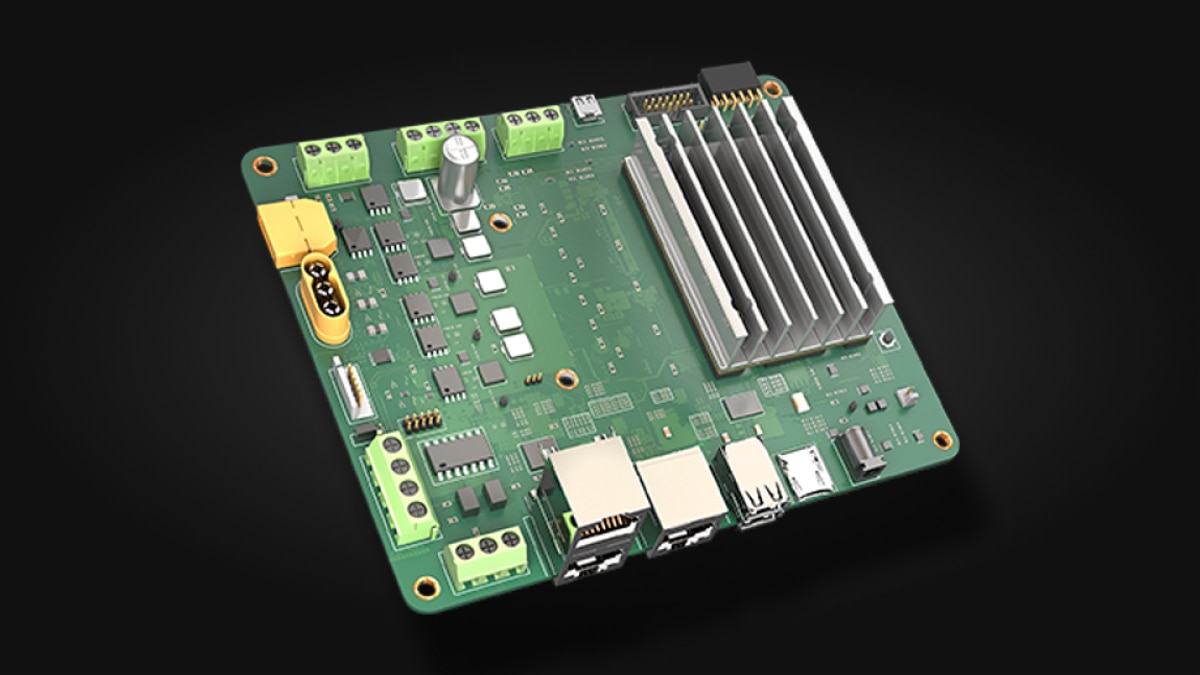
Efficient and timely deployment in any technical environment is crucial for ensuring streamlined workflows and meeting deadlines. Flexible computer on module hardware has emerged as a powerful solution to overcome deployment bottlenecks in various industries. This approach allows for scalability, customization, and adaptability, all of which contribute to speeding up the deployment process while aligning with evolving technological demands.
This blog explores how flexible computer on module hardware can revolutionize deployment speed and elevate operational efficiency.
Understanding Computer on Module Hardware
A computer on module, sometimes referred to as COM, is a compact and modular single-board computer. Unlike traditional systems, it is designed to integrate effortlessly into various hardware systems by functioning as a building block. COM technology is popular for its flexibility and scalability, making it easier for developers and engineers to deploy projects faster without reinventing the wheel for every application.
Flexible computer on module hardware takes this concept further by allowing more customizable integrations. These adaptable systems can address the diverse requirements of industries ranging from IoT to manufacturing to healthcare. This innovation ensures seamless system deployments while accommodating specific operational needs.
Benefits of Flexible Computer on Module Hardware
1. Faster Time to Market
Flexible computer on module hardware accelerates the development process. By utilizing pre-designed modules, companies eliminate the need to design core computing functions from scratch. This drastically reduces the overall time required for manufacturing and integration.
With the rising complexities of modern applications, having pre-tested components streamlines product deployment, ensuring that organizations meet market demands swiftly.
2. Constant Adaptability
One primary advantage of flexible COM solutions is their adaptability. Dynamic environments require modular designs that can be customized or expanded with minimal effort. COMs facilitate rapid hardware adaptations without delays caused by traditional redesigns.
For example, varying connectivity requirements, such as Wi-Fi capabilities or additional sensors, can be seamlessly incorporated via flexible hardware modules. This adaptability ensures that the systems remain relevant in varying scenarios.
3. Efficient Use of Resources
Traditional hardware often results in wasted resources, especially when features remain unused. Flexible computer on module hardware ensures that you implement only what’s necessary for your application, leading to more efficient resource utilization.
This specificity prevents unnecessary expenses and ensures that investments are directed toward truly impactful elements. Developers and engineers can dedicate their time to refining unique features instead of grappling with generic system architecture.
4. Scalability for Future Growth
The modular nature of computer on module hardware inherently supports scalability. Whether you’re deploying a product for a small-scale operation or planning a system for global reach, modular components allow you to easily scale up or down depending on operational requirements.
This scalability is particularly advantageous for industries like IoT or data analysis, where growth is tied to the ability to integrate more robust systems down the line efficiently.
5. Simplified Maintenance and Upgrades
System maintenance and upgrades often contribute to delays and prolonged downtime. Flexible computer on module hardware minimizes such interruptions by enabling seamless replacements and updates. Individual modules can be swapped or upgraded without overhauling the entire system.
This advantage ensures consistent operational continuity, reducing periods of inactivity and losses associated with hardware maintenance.
6. Enhanced Customization
Every deployment scenario carries unique requirements, and standard systems may often fall short. Flexible single board computer ai technology ensures enhanced customization, allowing developers to tailor solutions for specific needs.
From specialized interfaces to industry-specific features, modular components meet operational demands without requiring extensive engineering. This targeted customization is highly beneficial for niche industries with unique applications.
