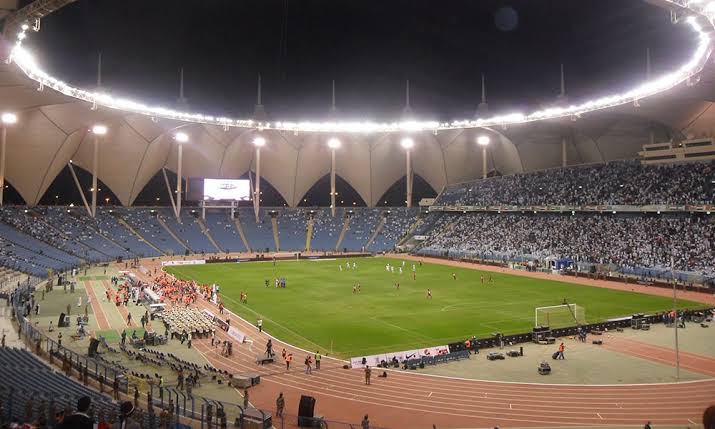

How Smart Stadium Technology Is Reshaping Sports Infrastructure
Sports venues are becoming connected environments where infrastructure, digital systems, safety measures, and spectator services work together. The change is influencing how stadiums are designed, operated, and maintained, particularly as Indian sports infrastructure expands. For organizations evaluating tadium technology providers, integrated capabilities are becoming important for building venues that can respond efficiently to demanding events and changing audience expectations.
The shift is not limited to installing new equipment. A connected venue requires coordination between networks, security systems, ticketing, access management, crowd monitoring, sustainability measures, and fan-facing services. India’s projected smart stadium market is expected to reach $1.65 billion by 2034, while investment in sports infrastructure is projected at $6 billion by 2030, creating a stronger case for technology-led venue development.
Creating the Foundation for Connected Stadiums
Connectivity provides the infrastructure on which many digital stadium functions depend. High-capacity networks can support spectators, operational teams, broadcasters, connected devices, and digital services simultaneously. Reliable communication also becomes essential during major events, when thousands of people may access services within the same period.
High-Capacity Connectivity
Large venues need networks designed around peak demand rather than average usage. Spectator connectivity can increase sharply during major moments, while operational systems continue generating their own traffic. Capacity, coverage, redundancy, and resilience therefore need to be considered during infrastructure planning.
Connected Venue Systems
Cameras, access controls, displays, sensors, communication tools, and other connected equipment can generate information across multiple areas. Bringing relevant information into coordinated workflows can help operational teams understand conditions throughout the venue and respond without relying on disconnected systems.
Operational Visibility
A connected environment can provide teams with broader visibility into venue activity. Information from different systems can help identify changing conditions, support resource allocation, and improve coordination between departments. The value comes from turning information into practical operational decisions.
Infrastructure Scalability
Technology requirements can change as stadiums introduce new services, host different event formats, or expand their digital capabilities. Scalable infrastructure allows additional systems to be incorporated without requiring extensive reconstruction. This approach can protect the usefulness of the original investment over a longer operating period.
Strengthening Crowd Management and Safety
Crowd management becomes more complex as attendance increases and venues accommodate different types of events. Intelligent monitoring can help identify congestion, unusual movement, and developing pressure points around entrances, concourses, seating areas, and exits. This information can give venue personnel additional context when managing busy periods.
- Real-time monitoring can highlight developing congestion.
- Connected surveillance can improve visibility across venue zones.
- Centralized information can support faster operational coordination.
- Automated alerts can draw attention to conditions requiring assessment.
- Access systems can contribute to controlled movement during events.
Improving Ticketing and Venue Access
Ticketing is a significant part of the spectator journey because it influences the arrival process before visitors reach their seats. Digital ticketing can reduce dependence on physical credentials while providing venue teams with more structured admission information. When ticketing is connected with access infrastructure, the process can become more coordinated.
Entry systems also need to account for accessibility, reliability, fraud prevention, queue management, and visitor assistance. Biometric and contactless approaches can provide additional options for controlled access, although implementation needs to consider privacy, security, system resilience, and applicable requirements.
Digital Ticketing
Digital tickets can simplify admission by allowing spectators to manage credentials through electronic channels. Connected ticketing platforms can also provide useful information about attendance and entry activity. This can help teams prepare resources around expected arrival patterns.
Contactless Access
Contactless entry can reduce physical interaction at gates while supporting quicker credential verification. When integrated with other venue systems, it can form part of a broader access strategy that considers security, visitor movement, and operational control rather than functioning as an isolated gate technology.
Enhancing the Fan Experience
Technology increasingly shapes what spectators experience before, during, and after an event. Reliable connectivity can support digital information, mobile engagement, navigation, and other services while connected infrastructure can help venues understand how visitors interact with different areas. The focus is shifting toward experiences that are more responsive to audience needs.
- Mobile connectivity can support digital engagement.
- Connected services can provide timely venue information.
- Digital systems can assist visitor navigation.
- Data can help operators understand service demand.
- Integrated platforms can support more personalized interactions.
Making Stadium Infrastructure More Sustainable
Smart stadium development increasingly involves environmental performance alongside digital capability. Solar microgrids and water recycling are among the sustainability areas identified for discussion within the sector. These approaches can help venues examine resource consumption as part of long-term infrastructure planning rather than treating sustainability as an isolated feature.
Energy and water management can also influence operating costs and resource efficiency. Monitoring consumption allows facility teams to understand where resources are being used and where improvements may be possible. Sustainability objectives can therefore become connected with day-to-day venue management and future infrastructure decisions.
Designing Flexible Multi-Purpose Venues
Stadiums increasingly need to accommodate more than sporting fixtures. Multi-purpose venue design can allow facilities to support concerts, entertainment programs, exhibitions, community activities, and other gatherings. Technology can contribute to this flexibility by allowing operational systems and visitor services to adapt according to different event requirements.
Future-ready infrastructure therefore needs to balance immediate performance with long-term adaptability. Venues that can accommodate changing audiences, technologies, event formats, and sustainability expectations may create stronger value from their physical assets. The objective is a facility capable of evolving rather than becoming outdated as technology advances.
Final Thoughts
What will define the next generation of sports venues: bigger infrastructure, or smarter integration? The answer increasingly points toward connected environments where technology supports safety, access, sustainability, operations, and memorable spectator experiences. The Smart Stadiums & Sports Infra Summit brings together stakeholders across the stadium and sports infrastructure ecosystem to explore these developments through its conference, exhibition, and awards, with discussions covering areas such as connectivity, crowd intelligence, AI surveillance, smart ticketing, fan experience, sustainability, and multi-purpose venue design. For organizations tracking the direction of sports technology providers, the event offers a focused setting to understand emerging priorities and the practical technologies shaping future-ready sports infrastructure.